Canadian Site Activation Takes About Three Months. Roughly Half of That Is Document Preparation, Not Regulation
Canada's clinical trial environment is under real pressure to compete Globally
The average startup time for a clinical trial in Canada stretches to 35 weeks.
Much of this delay is not about execution, it is about the time it takes teams to interpret complex protocols, align cross-functionally, and prepare the documentation needed to move forward.
Where the Time Actually Goes
The regulatory clock is not the bottleneck. Data from Canadian hospitals shows REB submission itself is decided quickly, a median of about four and a half days once a complete package arrives. The delay sits before that: a median of forty one days between protocol receipt and REB submission. That is the time it takes someone to read the protocol and manually produce the consent form, the plain language summary, and the supporting documents a board needs to open a file.
💡 Operational insight
Many inefficiencies in Canadian trials happen inside site operations, not at the regulatory level especially around manual protocol interpretation, schedule-of-activities creation, and budgeting.
This is exactly where structured protocol intelligence tools can dramatically improve execution and precisely the problem Clinials was built to solve.
Clinials is a secure, AI-powered, protocol-based document generation platform designed for research sites, CROs, and sponsors. We turn complex clinical trial protocols into structured draft documents with Schedules of Activities, Operational Protocol Synopses, Patient Information Sheets, Budget Discovery outputs in minutes, not weeks. These drafts are designed to be reviewed, refined, and approved by your team, giving you a high-quality, protocol-accurate starting point that dramatically compresses the time from protocol receipt to operational readiness.
Every draft output is fully traceable back to source protocol data, built for regulated clinical workflows.
Global Trials, Local Clarity: Built for Canada's Bilingual Reality
For teams operating in Canada, language is not a secondary consideration, it is a regulatory one.
Informed consent forms for sites in Quebec must be provided in French. All patient-facing materials at French-language centres must meet this standard. For sponsors entering Canada from the US or globally, this requirement routinely introduces a coordination bottleneck that extends already long activation timelines.
Clinials directly addresses this. Our platform supports multi-language document generation, including Canadian English and Canadian French. Patient-facing translated draft documents such as Patient Information Sheets and informed consent materials are generated from the protocol, then made available for your team to review and update.
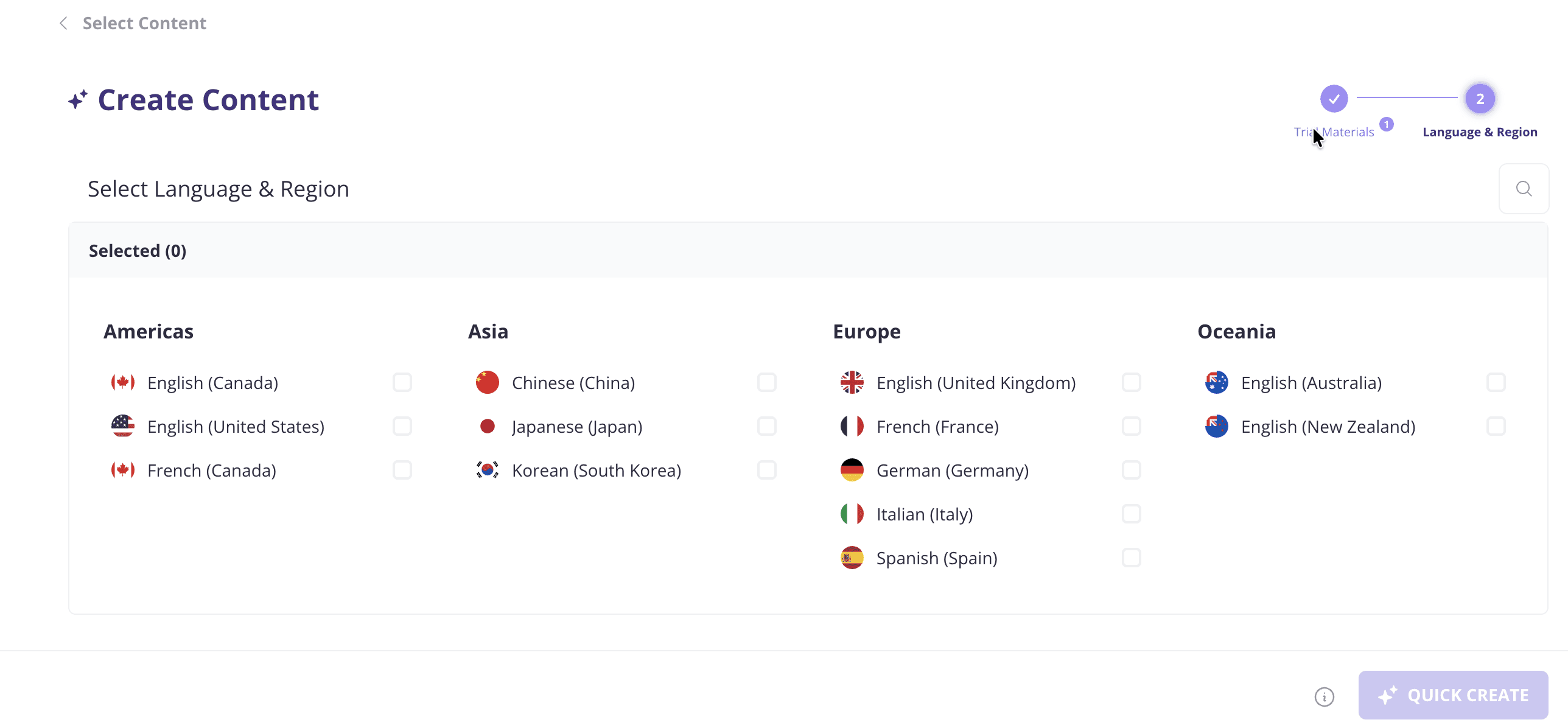
Once satisfied, the content can be submitted for translation certification by a qualified translator, giving you a compliant, certifiable document without starting from a blank page.
For sponsors running multi-regional trials, this workflow is not a convenience it is an operational necessity. The capacity to generate a protocol-cited, translated draft in a single step, then move directly into review and certification, removes a significant bottleneck from global trial operations and materially reduces the risk of translation-introduced error entering your regulatory or site documentation.
Clinials helps you protect those advantages by giving your team a faster, more accurate starting point across every document type your trial requires.
Where Clinials Brings Speed
Clinials removes that extraction and protocol cutting and pasting step. The platform generates the full REB submission package, informed consent forms, patient information sheets, plain language summaries, and the schedule of activities, directly from a single protocol upload, on the day the protocol is finalised rather than weeks later. There is no CTMS, EDC, or eTMF integration required and no implementation period.
Applied against the Canadian timeline, that changes the shape of the forty one day gap between protocol and REB submission. A sponsor or CRO that can hand a site REB ready documents on day one is not compressing a regulatory step, since Health Canada's clock and REB review times are largely fixed. They are eliminating the manual document production phase that currently sits in front of both. For a sponsor weighing that against the well documented cost of Phase III delay, every week recovered at the document stage is a week that moves first patient in, last patient enrolled, and the regulatory submission date behind it.
We welcome the opportunity for Clinials to assess what we can do for your team and your current pipeline. Explore example draft outputs. You can also try Clinials for yourself. Start here:
Everything Clinials produces is audit-ready, secure, and GxP-aligned, so you get compliance without extra work.
See Clinials Canadian Multilingual startup strategy here: